
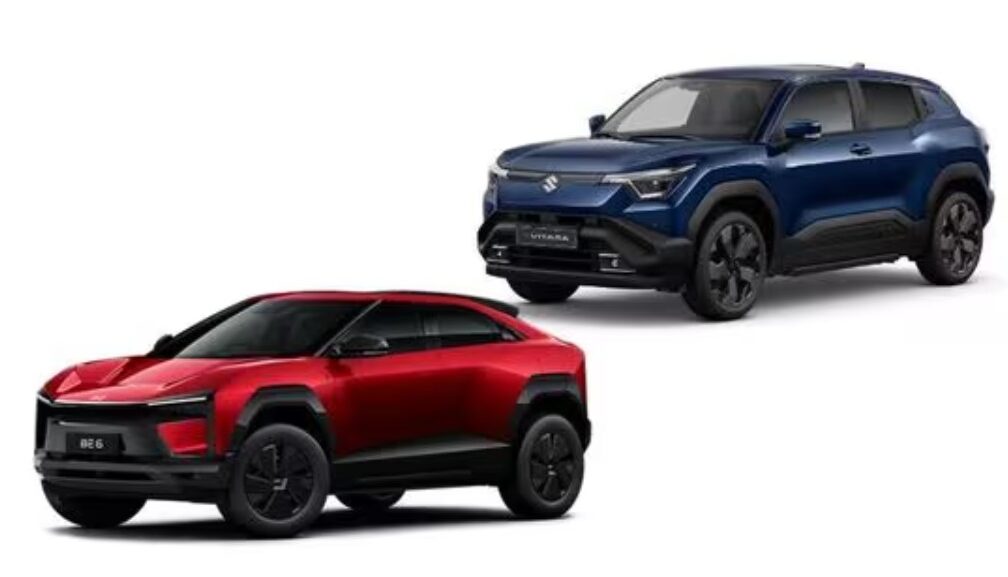
Hey, so I’ve been reading up on these two electric SUVs, the Maruti Suzuki e Vitara and the Mahindra BE 6, and man, it’s exciting how India’s car scene is shifting to EVs with safety getting a big push. Both these cars just nailed five-star ratings from Bharat NCAP, which is like the Indian version of those tough crash tests you hear about. But before I dive into the comparison, let me give a quick backstory on the companies behind them, because it helps understand where they’re coming from.
Maruti Suzuki kicked off back in 1983 as a joint thing between the Indian government and Suzuki from Japan. Their first car was the Maruti 800, this tiny boxy thing that basically put India on wheels—affordable and everywhere. Over the years, they’ve sold millions, like just last month in November 2025, they hit a record 2.29 lakh units sold in India alone, and cumulatively crossed 30 million domestic sales by early November. That’s huge! They’re pushing hard into EVs now, with the e Vitara being their first big electric bet, made right here in Gujarat for export too. Recent buzz? They launched the Victoris in September, and sales are booming with exports at an all-time high.
Mahindra, on the other hand, started way back in 1945 as a steel trader but got into cars post-independence, with the rugged Jeep in the ’40s. They’ve grown into this massive group, leading in SUVs and tractors—world’s biggest tractor maker, actually. In November 2025, they sold over 92,000 vehicles, up 19% from last year, with SUVs like the XUV series flying off shelves. Their “Born Electric” lineup is killing it, and the BE 6 is the affordable entry, priced around the e Vitara’s range. News-wise, they just celebrated a year of their electric SUVs and dropped a cool Formula E edition of the BE 6.
Now, onto the main bit: safety. Both these EVs scored top marks overall, but peeking at the details shows some interesting edges. Bharat NCAP tests how well the car protects adults and kids in crashes, plus stuff like seatbelt checks. I pulled the numbers into a table to make it easy—here’s the breakdown:
| Category | Maruti Suzuki e Vitara | Mahindra BE 6 |
|---|---|---|
| Adult Safety Rating | 5-star | 5-star |
| Adult Occupant Protection (AOP) | 31.49 / 32 | 31.97 / 32 |
| – Frontal Offset Deformable Barrier | 15.49 / 16 | 15.97 / 16 |
| – Side Movable Deformable Barrier | 16 / 16 | 16 / 16 |
| – Side Pole Impact Test | OK | OK |
| Child Safety Rating | 5-star | 5-star |
| Child Occupant Protection (COP) | 43 / 49 | 45 / 49 |
| – Child Safety Dynamic Score | 24 / 24 | 24 / 24 |
| – CRS Installation Score | 12 / 12 | 12 / 12 |
| – Vehicle Assessment Score | 7 / 13 | 9 / 13 |
| Key Safety Features | – 7 airbags – Electronic Stability Programme (ESP) – ISOFIX child seat anchorages – 3-point seatbelts for all passengers – 360-degree camera – Level-2 ADAS | – 7 airbags – Electronic Stability Programme (ESP) – ISOFIX child seat anchorages – 3-point seatbelts for all passengers – 360-degree camera – Level-2 ADAS |
See, in adult protection, the BE 6 edges out just a tad with that 31.97 versus 31.49—mostly from better chest and tibia protection for the driver in the frontal crash. For the e Vitara, the head, neck, pelvis, and legs got “good” marks, but chest was “adequate” for the driver. Passenger side was solid all around. Side crashes? Both aced it, full points and “good” protection everywhere, with the pole test passing fine.
For kids, it’s closer too, but BE 6 pulls ahead at 45/49 thanks to a stronger vehicle assessment score (9 vs 7). Both maxed out the dynamic and installation parts, meaning child seats worked perfectly in frontal and side hits using 18-month and 3-year-old dummies. The e Vitara lost a bit on how the car’s structure handled kid protection overall.
What makes the real difference? That frontal test where BE 6 gave slightly better all-around “good” to “adequate” for driver and passenger. And in child scores, the vehicle check—stuff like how easy it is to fit seats or pedestrian safety bits—tipped it for Mahindra. But honestly, both are beasts; you’re super safe in either.
These features like seven airbags standard, ESP to keep you steady, ISOFIX for kid seats, three-point belts everywhere, 360 cams for parking, and Level-2 ADAS (which warns about lane drifts or collisions) make them feel premium. No skimping here, even as affordable EVs.
If you’re picking, e Vitara might appeal if you want Maruti’s service network everywhere, while BE 6 has that bold Mahindra vibe and maybe a smidge more safety points. Both are game-changers for Indian roads—excited to see them hit streets soon! What do you think, which one you’d go for?